
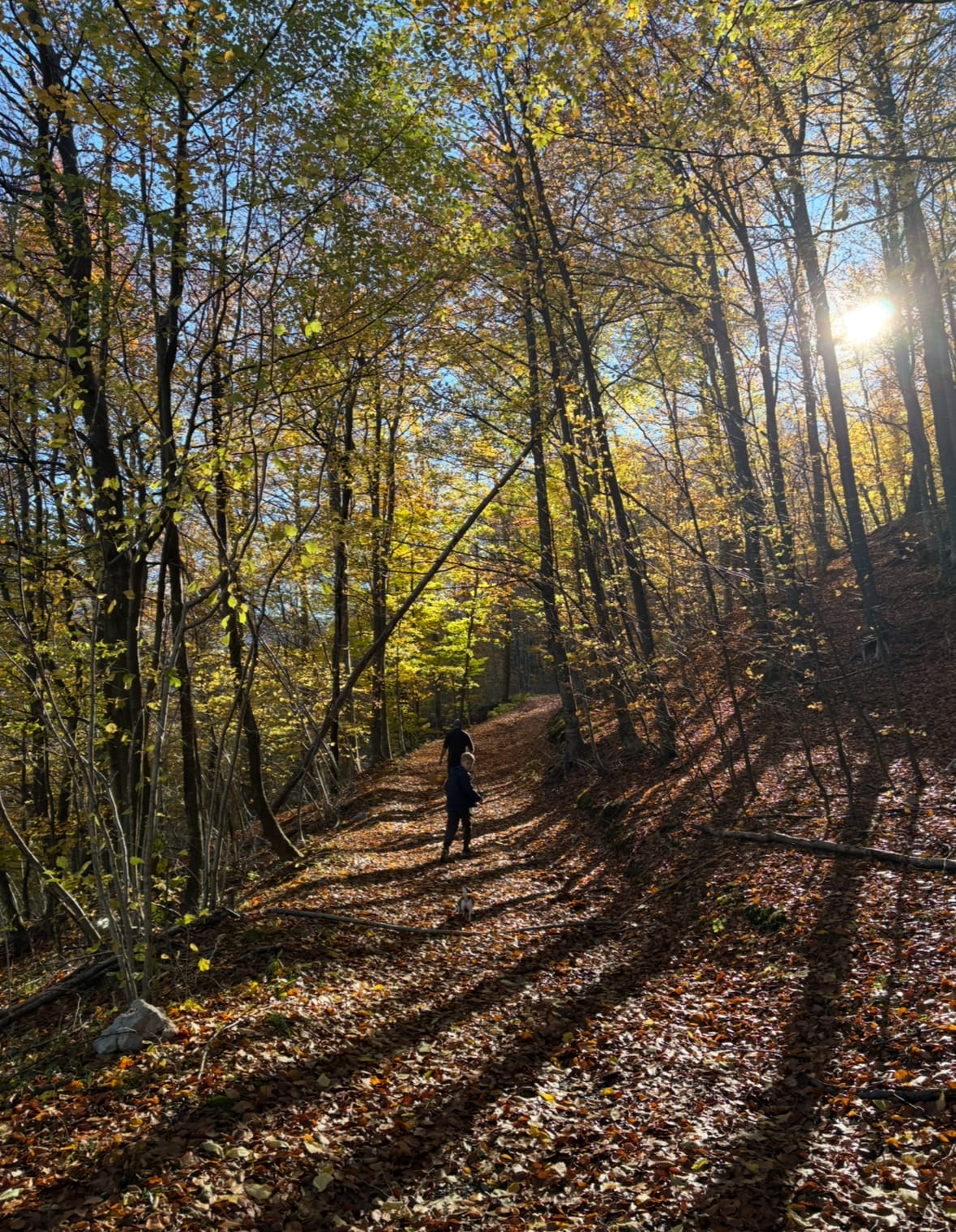
Foraging connects you with Slovenia’s landscapes, traditions, and natural abundance — just remember to forage responsibly and sustainably.
Slovenia is a paradise for foragers. With over 60% of the country covered in forest and a rich tradition of gathering wild foods, it’s one of the best places in Europe to explore nature’s pantry. Whether you’re hiking in the Julian Alps, strolling through the Karst region, or wandering the rolling hills of Goriška Brda, you’ll find an abundance of edible plants, herbs, mushrooms, and berries throughout the year.
In this guide, we’ll explore what you can forage in Slovenia, the best seasons to do it, and essential tips to keep your foraging safe and sustainable.
Why Forage in Slovenia?
Slovenia’s diverse climates—Alpine, Mediterranean, and Pannonian—create an incredible range of edible wild species. Foraging is also deeply rooted in Slovenian culture, with many families passing down knowledge for generations. Today, foraging is enjoyed by everyone from chefs to hikers and nature lovers.
Top Wild Foods You Can Forage in Slovenia
1. Wild Mushrooms (Gobe)
Slovenia is famous for its mushrooms, and autumn is peak season. Popular species include:
Porcini (Jurčki)
A prized Slovenian delicacy, known for its nutty flavour. You’ll find them in spruce and beech forests.
Chanterelles (Lisičke)
Golden, trumpet-shaped mushrooms used in risottos and stews.
Parasol Mushrooms (Dežnik)
Often breaded and fried like schnitzel.
Saffron Milk Caps (Mlečnice)
Bright orange mushrooms loved by traditional Slovenian cooks.
Tip: Stick to species you can confidently identify or join a guided mushroom foraging tour.
2. Wild Berries
Summer in Slovenia means berry season!
Wild Blueberries (Borovnice)
Abundant in the Alpine region. Perfect for pies, jams, or fresh snacking.
Raspberries (Maline)
Found along forest edges and hiking paths.
Blackberries (Robide)
Common throughout Slovenia from late summer to early autumn.
Lingonberries (Brusnice)
Sour, red berries often made into jams served with venison.
3. Wild Herbs (Divja Zelišča)
Herbal foraging is popular in the Karst and rural countryside.
Wild Garlic (Čemaž)
One of the earliest spring finds, with a strong garlicky aroma. Used in soups, pesto, and spreads.
Nettle (Kopriva)
Young spring leaves are packed with nutrients and used in traditional soups or struklji.
Yarrow (Rman)
A popular medicinal herb used in teas.
Thyme (Timijan)
Grows abundantly in dry, rocky regions — especially the Slovenian Karst.
4. Wild Plants and Greens
Dandelion (Regrat)
In early spring, Slovenians pick young dandelion leaves for fresh salads topped with boiled eggs and cracklings.
Sorrel (Kislica)
A sour green perfect for soups and sauces.
5. Wild Nuts & Tree Products
Chestnuts (Kostanj)
Found in abundance in western Slovenia in October. Often roasted and sold at autumn festivals.
Hazelnuts (Lešniki)
Grow along forest edges and rural areas.
Pine Needles & Resin
Used for teas, syrups, and traditional remedies.
Foraging by Season in Slovenia
Spring
- Wild garlic
- Dandelion
- Nettles
- Early herbs
Summer
- Berries (blueberries, raspberries, blackberries)
- Edible flowers
- Some early mushrooms
Autumn
- Porcini and other mushrooms
- Chestnuts
- Lingonberries
Winter
- Pine needles
- Some hardy herbs
Foraging Laws & Safety in Slovenia
Slovenia allows recreational foraging, but there are important rules:
Legal Guidelines
- Up to 2 kg of mushrooms per person per day.
- Only pick mushrooms larger than 2 cm.
- You must not damage the forest floor or protected species.
- National parks may have additional rules.
Safety Tips
- Never eat something unless you are 100% sure of its identity.
- Avoid foraging near roads or polluted areas.
- Use a basket, not plastic bags, to preserve mushrooms.
Whether you’re a foraging beginner or an experienced wild food enthusiast, Slovenia offers a rich and diverse environment to explore. From fragrant herbs to delicious mushrooms and sweet berries, every season brings new flavours from nature.
Foraging connects you with Slovenia’s landscapes, traditions, and natural abundance — just remember to forage responsibly and sustainably.
